YAMAHA G-280A Concert Classical Guitar Sound Port 2ND
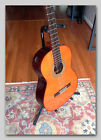
( Brand: Yamaha ), ( Model: G-280A ), ( Part Type: Classical Guitar ), ( Dexterity: Right-handed ), ( String Configuration: 6 String ), ( Country/region Of Manufacture: Japan )
Review YAMAHA Mi Japan 280a Concert Classical Guitar Custom 2nd Sound Port
The G-280A 1974 Yamaha 280A Concert Classical Guitar with a 2nd Sound Port is a truly exceptional piece of musical artistry. This vintage guitar, hailing from the esteemed Japanese manufacturer Yamaha, boasts a rich history and timeless design that is sure to captivate any guitar enthusiast.
The guitar's body is crafted from high-quality, solid Spanish cedar, providing a warm and resonant tone that is perfect for classical and concert-style playing. The cedar top is paired with mahogany back and sides, which contribute to the guitar's deep, rich sound and exceptional durability. The guitar's neck is made from Spanish cedar as well, with a rosewood fretboard and 18 frets, allowing for smooth and precise playing.
One of the standout features of this guitar is its 2nd sound port, which is located on the side of the body. This port allows for improved sound projection and a more balanced tone, making it easier to hear the guitar in a variety of settings. This feature is particularly useful for solo performances or small ensembles, where the guitarist needs to project their sound clearly and accurately.
The G-280A 1974 Yamaha 280A Concert Classical Guitar is also equipped with high-quality tuning machines and strings, ensuring that the guitar stays in tune and sounds its best. The guitar's rosewood bridge and bone nut and saddle add to its overall tone and playability, providing a smooth and responsive action that is perfect for classical and fingerstyle playing.
In conclusion, the G-280A 1974 Yamaha 280A Concert Classical Guitar with a 2nd sound port is a truly exceptional instrument that offers a rich and resonant tone, exceptional playability, and improved sound projection. Whether you're a seasoned guitarist or a beginner looking to invest in a high-quality classical guitar, this vintage Yamaha is sure to exceed your expectations and provide years of musical enjoyment.
Pros of buying a 1974 Yamaha G-280A classical guitar with a second sound port:1. Vintage appeal: The guitar's age and design give it a unique and classic look that may appeal to collectors or those who appreciate the aesthetics of vintage instruments.
2. Sound quality: The second sound port on this guitar allows for better sound projection, allowing the player to project their sound more clearly and evenly, which can be particularly beneficial in performance settings.
3. Durability: Yamaha is known for its high-quality craftsmanship, and this guitar is no exception. The guitar's construction is made of solid wood, which can contribute to its longevity and ability to withstand regular use.
4. Price: Compared to some newer, high-end classical guitars, the 1974 Yamaha G-280A may be a more affordable option, making it a good choice for those who are looking for a high-quality instrument without breaking the bank.
Cons of buying a 1974 Yamaha G-280A classical guitar with a second sound port:1. Maintenance: Vintage instruments may require more maintenance and repair work than newer ones, as they may have worn or damaged components.
2. Tone: While the guitar's age and construction may contribute to a unique tone, it may not have the same bright and clear sound that some newer classical guitars have.
3. Playability: Older guitars may not be set up as well as newer ones, which can make them more difficult to play, particularly for those who are just starting out.
Conclusion:The 1974 Yamaha G-280A classical guitar with a second sound port is a great option for those who are looking for a vintage instrument with a unique look and improved sound projection. However, potential buyers should be aware of the maintenance requirements and potential playability issues that come with older guitars. If the buyer is willing to put in the necessary maintenance and is looking for a unique sound and a classic look, then this guitar may be a good fit for them.
Recommendation:Before making a purchase, potential buyers should consider having the guitar professionally inspected and set up to ensure that it is in good condition and plays well. Additionally, they should try playing the guitar to see if it has the tone and feel that they are looking for. Overall, the 1974 Yamaha G-280A classical guitar with a second sound port is a solid choice for those who are looking for a vintage instrument with a unique sound and improved projection.
Details:
Shipping, etc. See photo 12 for actual string-fret measurements. Well-packed and with strings loosened.
Custom feature: the second sound port see photos 1 and 6 enhances playing experience without reducing overall volume of guitar please my high-res. With a little loving care this guitar should sound and play beautifully for another 50 years. Action on frets is perfect no bowing of the neck.
Or to put it differently, with this second port the guitar sounds 30 louder and clearer person playing. And happy playing. For most classical and acoustic guitars the player doesn't actually hear how guitar sounds out front. There are two small chips-dings in the finish.
Also, it appears that someone tried using a guitar pick as there is some roughening of the finish adjacent to sound hole. I'll also be sending along a new, opened set of eh-45lp hard tension, as bonus. While the G-280A was being made, it their top-of-the-line series classical and available in japan.
Until the late 1970s Yamaha was using Oz spruce for their best guitars back - Indian rosewood sides fret board neck NATO. By all means, do try different strings as you go along. Finish: see photos.
Paid by me Yamaha MI G-280A concert classical guitar w custom 2nd sound port made in japan year: 1974 serial number: specifications: top - solid spruce possibly Oz.
Was theist full, crisp voice in treble, middle, and bass registers is because top solid spruce has opened up to attain mature. I would guess that this was because Yamaha decided they couldn't produce enough of their flagship G-280A to satisfy the demand in both japan and us. The current strings are d'Dario pro Artie eh-45lp.
S i'll be glad to respond. However, I don't think any of these are noticeable unless you know to look for them. But with a second sound port, the artist gets to appreciate both dynamics and subtleties of his her playing as heard by audience.
part #: g280a price
- $9.49
specifications classicaguita:
- brand: Yamaha
- model: G-280a
- part type: Classical Guitar
- dexterity: Right-handed
- string configuration: 6 String
- country/region of manufacture: Japan
Payments classicaguita:
- PayPal
Offer classicaguita:
- bids: 0
- Started: April 16, 2017, 6:23 pm
- quantity: 1
- Sold: 0
- best offer: true
Returns classicaguita:
- policy: no returns
Shipping classicaguita:
- cost: $0.0
- type: Flat
- handling: 1 days
Seller classicaguita:
- city: Bethpage, Tennessee
- zipcode: 37022
General classicaguita:
- in stock: Yes
- condition: Used
- musical instrumentsgear > guitarsbasses > classical
Ratings:
- Arrived quick thanks, great product 03-28-17
- Thank You for your purchase! 03-31-17
- item was as described, highly recommend the seller! A shipping 03-30-17
- THANKS N ENJOY: 03-31-17
- Great communication. A pleasure to do business with. 04-12-17
Yamaha G-280A Is Similar To:
- 0086792941066 Yamaha Cg182c Classical Acoustic (35.6% similar) Neck: NATO back sides: rosewood top: cedar nut width : the cg series is created using experience and technology gained from decades of hand crafting fine classical guitars, offers rich tone response, superior play ability with an easy to hold neck design comfortable string height , elegant ...(October 17th, 2017)
- 0209000003299 Yamaha Classical Guitar (34.4% similar) There are a few small bump marks at the base of top guitar shown in last photo. It has a 650MM scale. Jato, with serial number D-431. Made of solid cedar and rosewood, possibly Brazilian. Action is 4MM with room on the saddle. Yamaha 51C classical guitar. It was made in 1984 and is signed by this ...(January 30th, 2019)
- 086792287799 Yamaha Gigmakeregblack Black Gigmaker Electric Guitar Pack (26.5% similar) Excluded items the following are non-returnable under any circumstance: amplifier tubes, earbuds, headphones, earplugs, harmonicas, mouthpieces, mouth played instrument and used marked 'as is. We seek to help each customer find the right solution for accomplishing their musical goals and expressions...(April 23rd, 2018)
- 086792950594 Yamaha New Nylon Classical Guitar Natural (27.2% similar) The NCX700C features solid cedar on top board and delivers a rich sound with powerful response. The NC acoustic electric classical guitar easily accommodates a wide range of musical and playing styles, offers perfect place to start exploring your music nylon string sound. This guitar is fully ...(March 24th, 2019)
- 086792958651 Yamaha Classical Guitar Spruce Top Natural (26.8% similar) Features spruce top NATO meant back sides neck with rosewood fingerboard bridge gloss body finish scale length case sold separately. Yamaha's most reasonably priced classical guitar offers a rich tone that beginners will find inspiring. The CG102 classical guitar draws upon vast knowledge and ...(November 6th, 2018)
- 1189527 Yamaha Guitar Excellent Classical Beautiful Sounding (27.6% similar) Only lower 48 states to bid. It has 19 frets and the are fine. The rosette around sound hole is also very nice. The tuner mechanism is gold plated and knobs mother of pearl. The case is in good condition. Sound being the best selling point with this guitar. Great opportunity to own a sounding guitar...(July 19th, 2018)
- 200slg Yamaha Slient Guitar (44.4% similar) You can blend that signal with the included under-saddle pickup. Play silently with big-guitar tone guitarists at sweet water have been in situations where we struggle to get a good sound from our instruments because of having practice quietly, or even. It will easily fit in the overhead compartment...(June 1st, 2018)
- 70502378 Yamaha Ma Acoustic Classical Guitar Nylon Strings (30.6% similar) Yamaha CG-90 ma acoustic classical guitar with nylon strings. Beautiful guitar. Not seeing any chips or dents in the wood...(May 25th, 2018)
- Apx-6na Nylon Nylon Yamaha Electric Guitar (37.7% similar) For over a decade, APC series has provided guitarists with an unparalleled blend of superior acoustic sound and response electronic versatility control. These superb instruments deliver extraordinary tone and response whether played acoustically or through the internal electronics. 24 frets single ...(February 18th, 2018)
- Apxt2bl Yamaha Guitar Black (44.4% similar) New merchandise carries the original warranty issued by manufacturer. Merchandise and packaging must be in the same condition as when received. Warranty new condition items carry manufacturer. Accessory includes a gig bag. Through for more details. The Yamaha APXT2 3/4 size acoustic-electric guitar ...(March 29th, 2019)
- Apxt2ovs Yamaha Thinline Cutaway Guitar Old Violin Sunburst (25.6% similar) This fun, yet well-constructed compact guitar makes a great company when you are on road. The Yamaha APXT2 3/4 size acoustic-electric guitar features art-based pickup system and as proprietary tuner with great sensitivity accuracy for quick tuning. Merchandise and packaging must be in the same ...(June 22nd, 2018)