K-YAIRI Y800 Classical Cedar Rosewood 1960S
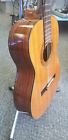
( Brand: K-yairi ), ( Model: Y800 ), ( Part Type: Classical Hand ), ( Size: Classical ), ( String Configuration: 6 String ), ( Modified Item: No ), ( Country/region Of Manufacture: Japan ), ( Right-/ Left-handed: Right-handed ), ( Body Type: Standard )
Review K YAIRI 1960s Classical Model Cedar Rosewood Hand Japan
The 1960s Yairi Classical Y800 is an exquisite piece of musical history, perfectly embodying the craftsmanship and artistry of Japan's golden age of guitar production. This acoustic guitar boasts a solid cedar top, known for its rich, warm tone, and a stunning rosewood back and sides, which contribute to a full, powerful sound.
The Y800's body shape is a classic dreadnought, offering great balance between volume and projection. The cedar top, paired with the rosewood back and sides, creates a unique tonal character, with a warm, rounded bass response, a strong, clear midrange, and a sweet, singing treble. This balance makes the Y800 an excellent choice for a variety of playing styles, from fingerpicking to strumming.
The neck of this Yairi Classical Y800 is made of mahogany, providing a smooth, comfortable playing experience. The fretboard is crafted from rosewood, with a traditional 12-fret neck joint and 20 frets. The fingerboard boasts elegant pearl dot inlays, which add a touch of class and make it easier to navigate the fretboard in low light.
The Y800's hardware includes a rosewood bridge, with a compensated saddle for improved intonation and tuning stability, as well as gold-plated tuning machines. The bridge pins are made of ivory, providing excellent string retention and a smooth, easy action.
The finish on this 1960s Yairi Classical Y800 is a natural, glossy lacquer, which highlights the beautiful grain of the cedar top and rosewood back and sides. The guitar's body binding is made of rosewood, and the headstock features a traditional Yairi logo, a testament to the guitar's heritage.
In summary, the 1960s Yairi Classical Y800 is a stunning example of vintage Japanese craftsmanship. Its solid cedar top and rosewood back and sides create a warm, rich tone, while its classic dreadnought body shape offers excellent balance and projection. The smooth, comfortable neck and quality hardware make this guitar a joy to play, making it an excellent choice for any player seeking a unique, vintage acoustic guitar.
Pros of buying a 1960s Yairi Classical Y800 Cedar Rosewood:1. Vintage appeal: The 1960s era is known for its unique and timeless design, making this guitar a standout piece in any collection.
2. Quality craftsmanship: Yairi is a renowned Japanese guitar manufacturer with a reputation for producing high-quality instruments. The cedar top and rosewood back and sides of this guitar contribute to its rich, full sound.
3. Rare find: 1960s guitars, especially those from respected manufacturers, are becoming increasingly difficult to find in good condition, making this guitar a valuable investment.
4. Excellent tone: Cedar is known for producing a warm, mellow tone, while rosewood adds depth and richness. The combination of these two woods results in a well-rounded, balanced sound.
Cons of buying a 1960s Yairi Classical Y800 Cedar Rosewood:1. Potential for wear and tear: Older guitars may have signs of wear and tear, such as cracks, fretboard damage, or rust on the hardware. It's important to have the guitar inspected by a professional before purchasing to ensure that it's in good condition.
2. Higher price point: Due to their rarity and high quality, vintage guitars often come with a higher price tag. You'll want to carefully consider your budget before making a purchase.
3. Limited customization options: Because this is a vintage guitar, there may be limited customization options available. For example, you may not be able to change the bridge, tuning pegs, or pickups to suit your specific playing style.
Conclusion:If you're a collector or a guitar enthusiast with an appreciation for vintage instruments, the 1960s Yairi Classical Y800 Cedar Rosewood is a worthy investment. Its unique design, high-quality craftsmanship, and rich, full sound make it a standout piece in any collection. However, it's important to carefully consider the potential cons, such as potential wear and tear, higher price point, and limited customization options, before making a purchase.
Recommendation:If you're interested in purchasing this guitar, I recommend having it inspected by a professional guitar technician to ensure that it's in good condition. You may also want to consider setting a budget that takes into account the higher price point of vintage instruments. If you're looking for a high-quality guitar with a unique vintage appeal, the 1960s Yairi Classical Y800 Cedar Rosewood is a great option to consider.
Details:
Bridge is coming up slightly. Many did not have the traditional carved Spanish slipper heel that is seen in current crop of Coy classical's, but un carved neck blocks with extra extensions and bracing on top as opposed to bottom guitar. The black label guitars have Brazilian rosewood fingerboards instead of ebony, more spruce tops, bigger necks, longer scales, cedar lining, large rosettes, and diamond marquetry head plates. While the beige label guitars are similar in construction to current Tc Coy classical's introduced 1975, black classical distant cousins of line and represent kazoo Yaris early efforts guitar making.
Yairi also used the Ramirez 1a rosette on many of his guitars including cy130, cy135, yc150, yc1 y150, and y100. A few of the higher rosewood jacaranda model's had solid backs. There were a large number of model's in the y series including 15, 30, 40, 50, 70, 80, 1 150, 4/8 850, 1000 and i've heard higher model's, but haven seen them yet.
Some of the early y guitars have very odd neck heel extensions and bracing. BTW, the round Yairi label is a take off of Ramirez studio guitar. Black label y series guitars are different from the beige. A little history: the y series classical guitar line was sold from late 1960s to neck has been repaired, action slightly high, belly sunken very.
Yairi classical model Y800 1960s cedar, rosewood hand made in japan very rare guitar, high-end. Grover tuners are not original. At least 1 brace needs gluing. The most important difference between early y and later Tc series was that different bracing construction methods were used.
part #: y800 prices
- $817.46-$1399.99
specifications classicaguita:
- brand: K-yairi
- model: Y800
- part type: Classical Hand
- size: Classical
- string configuration: 6 String
- modified item: No
- country/region of manufacture: Japan
- right-/ left-handed: Right-handed
- body type: Standard
Offer classicaguita:
- Sold: 0
- : true
- bids: 0
- quantity: 1
- min. bid: $443.00
- Started: August 17, 2018, 11:42 am
- best offer: false
Shipping classicaguita:
- type: Calculated
- handling: 3 days
General classicaguita:
- condition: Used
- in stock: Yes
- musical instrumentsgear > guitarsbasses > classical
Ratings:
- AAA 08-08-18
- So happy with this product! 07-17-18
- Great communication. A pleasure to do business with. partsplayer1 08-07-18
- Quick response and fast payment. Perfect! THANKS!! 08-08-18
- Excellent seller. 07-22-18
Seller classicaguita:
- zipcode: 55912
- city: Austin, Minnesota
Payments classicaguita:
- PayPal
Returns classicaguita:
- policy: no returns
K-yairi Y800 Is Similar To:
- 1212 Alvarez 1970 Model 5008 Kazuo Yairi (28% similar) He had placed a large thumb guards on the upper left bout. Yairi in 1970 shame what we see today Americas top factories. You can identify it from the pics. For yairi fans, this vintage piece needs little explanation. I can't add much that the pictures don't say. Of shipping. This gorgeous old ...(February 25th, 2018)
- 8900 Sada Yairi Vintage Classical Guitar Refinished In Shellac (52.5% similar) Comes with a hard case and only ships within lower forty-eight states between bone nut saddle the scale length is 655MM, width 52MM, twelfth-fret string height low comfortable in addition to being refinished, I by several millimeters, beveled edges of soundboard back sides, replaced worn ...(September 9th, 2018)
- 9000 Yairi Classical Guitar Vintage With Case Nylon String Plays Great (44.6% similar) No surprises with this sale. It will show some wear and age, but houses the guitar as should. I tried to take really good pics, so you can judge for yourself see pics. This guitar has never had a reset and plays beautifully from one end to the other. Heres the run down: this is a vintage 1972 ...(August 2nd, 2018)
- Cy115 1978 Alvarez Yairi Classical Acoustic Model Custom Rare Guitar 102 Of 600 Made (48.6% similar) Beautiful classical guitar with minor damage on the front...(April 21st, 2016)
- Cy116 Alvarez Classical Guitar By Kazuro Yairi (39.6% similar) Also comes included with a high quality, heavy duty light brown Alvarez case. This is a beautiful classical Alvarez guitar made in 1991 by renowned maker Karo yairi. The instrument consists of a solid cedar soundboard, burl mahogany back sides, ebony fingerboard, and solid maple binding...(March 8th, 2016)
- Cy-116 Yairi Alvarez Edition Classical Guitar (36.2% similar) Includes case Alvarez yairi series classical guitar model Coy beautifully crafted with excellent sound quality...(April 12th, 2016)
- Cy117 Kazuo Yairi Alvarez 1986 Classical Guitar (35.5% similar) Alvarez kazoo yairi CY117 commemorative edition classical guitar beautiful 1986 Alvarez yairi classical guitar model CY117 handmade by kazoo yairi. There are a few imperfections, a few dings, and some nail marks below the rosette, but the play ability of the guitar wonderful and the sound ...(August 2nd, 2016)
- Cy-130 Cy130 Alvarez 1977 Yairi Classical Brazilian Rosewood Monster Ohsc (49.6% similar) This comes from a era of what many consider his best builds. Very good condition. Only a few of yairi's builds ever got Brazilian back and sides. Finish is shinny and intense. Standard 26 or 660MM scale length ohs included. The tone and projection of this instrument is quite otherworldly. It has a...(February 25th, 2016)
- Cym75 Alvarez Yairi Classical Guitar With Case Solid Indian Rosewood (43.8% similar) After 50 years of refinement, the yairi Luther's have constructed a guitar that embodies the magic so many players seek and yet few have yet to find the delicate balance of roaring power and subtle, shimmering detail. The experience will change your perspective on what an acoustic instrument should ...(November 15th, 2016)
- Jy-10bk Alvarez Kazuo Yairi-model 1995 Jumbo Acoustic Very Rare Model Vintage (32.1% similar) Or more and worth every penny as it is a perfect match for this guitar. Have the original fisherman box and pickup manuals. Found this very useful in the studio. The guitar comes with a gig bag black and has a huge zippered front compartment. It has been electrified with a top of the line fisherman ...(June 12th, 2016)
- 5036 Alvarez Kazuo Yairi Vintage 1973 Classical Guitar Model Japan Made (44.3% similar) Excellent craftsmanship and tone wood. Here's a vintage 1973 kazoo yairi 5036 classical guitar in good condition. Has a ebony strip in the back of the neck and top is definitely solid cedar. Comes with a hard shell case...(March 20th, 2016)